Polish Building Codes, Explained in Plain Language

Renovating Your Apartment
in Poland Without Surprises

Understanding what requires a permit, what you can do freely, and where the wspólnota mieszkaniowa's authority actually ends — drawn entirely from publicly available Polish building law.

What This Portal Covers

Four areas where Polish renovation law tends to surprise people the most.

Permits and Notifications

The line between works that need a formal zgłoszenie, those requiring pozwolenie na budowę, and changes you can make without telling anyone is less intuitive than it sounds. Polish law draws distinctions based on structural impact, fire safety, and building classification.

Wspólnota Mieszkaniowa

The housing community has real authority over shared spaces and building fabric — but that authority has clear legal limits. Understanding exactly where your private property rights begin and where collective governance applies changes how you approach renovation planning.

Noise and Working Hours

Noise regulations during renovation work in Polish residential buildings are set at both national and municipal levels. Knowing the specific hours and decibel thresholds that apply in your situation helps you work legally without friction with neighbors.

Structural Walls

Removing a wall that turns out to be load-bearing carries serious legal and safety consequences under Polish building law. The process of identifying structural elements, and what happens if unauthorized removal occurs, is something every renovator needs to understand before picking up a hammer.

Overview of a Polish apartment renovation project showing exposed walls and planning documents
Why This Matters

Most Renovation Mistakes Are Rooted in Misread Rules

Polish building law is genuinely complex. The Prawo budowlane has been amended dozens of times, and what was true five years ago may no longer apply. This portal exists because the gap between what people assume they can do and what the law actually says is where problems start.

This is not legal advice, and nothing here replaces a conversation with a licensed architect or solicitor when the stakes are high. What it does offer is a clear, honest reading of publicly available codes — so you walk into those conversations already informed.

Read the Guides


How to Use This Portal

A suggested path through the material, from first question to confident decision.

01

Identify Your Scope

Start by understanding whether your planned work touches shared building elements, structural components, or only your private interior. This single question determines which legal framework applies.

02

Check the Permission Threshold

Use the Label Reading Guides to match your work type against the three permission categories under Polish law — no notification, zgłoszenie, or full pozwolenie na budowę.

03

Learn the Polish Terminology

The Useful Polish Phrases section translates the exact terms you will encounter at the starostwo or in correspondence with your wspólnota into plain English with context.

04

Understand the Building Plan

If you need to visit the starostwo to view the original building documentation, the guides explain what to request, how drawings are organized, and what the key symbols mean.

05

Proceed with Clarity

With the regulatory picture clear, you are in a much stronger position — whether that means proceeding confidently, filing the right paperwork, or knowing when to bring in a professional.

Questions This Portal Answers

Specific, practical questions drawn from Polish building law — not general advice.

Can I tile over my bathroom floor without notifying anyone?

Generally yes — finishing works within your apartment that do not affect load-bearing elements, waterproofing layers shared with neighbors below, or building services typically require no formal notification under Polish law.

What exactly is a zgłoszenie and when is it needed?

A zgłoszenie is a formal notification to the local building authority (starostwo or urząd miasta) for works that exceed cosmetic changes but do not reach the threshold requiring a full building permit. The authority has 21 days to object.

Can my wspólnota block me from replacing my front door?

Front doors in Polish apartment buildings are typically classified as part of shared building fabric, even when installed within your private entrance. This gives the wspólnota legitimate grounds to regulate the appearance and technical specification of replacements.

What hours can I legally drill in a Polish apartment?

National regulations set broad frameworks, but municipal bylaws (regulaminy porządkowe) often specify precise quiet hours. Most Polish cities prohibit renovation noise before 8:00 and after 20:00 on weekdays, with stricter rules on Sundays and public holidays.

Explore by Topic

Scroll through the key areas covered in the guides.

Polish building permit documents and architectural drawings spread on a desk
Permits

Pozwolenie na Budowę

When full building permits are required, what the application process involves, and how long decisions typically take under current Polish administrative law.

Engineer examining a concrete structural wall in a Polish apartment block during renovation assessment
Safety

Identifying Structural Walls

How to distinguish load-bearing walls from partition walls in typical Polish residential construction, and why the consequences of getting this wrong are serious.

Person reviewing architectural floor plans at a Polish starostwo office counter
Documentation

Reading Plans at the Starostwo

What building plans contain, which documents you can request, how to interpret common architectural symbols, and what the process of accessing public building records looks like.

Wspólnota mieszkaniowa meeting in a residential building common room with residents discussing renovation rules
Community

Wspólnota Authority Limits

The Ustawa o własności lokali defines what housing communities can and cannot regulate. Understanding this boundary helps residents navigate disagreements without unnecessary conflict.

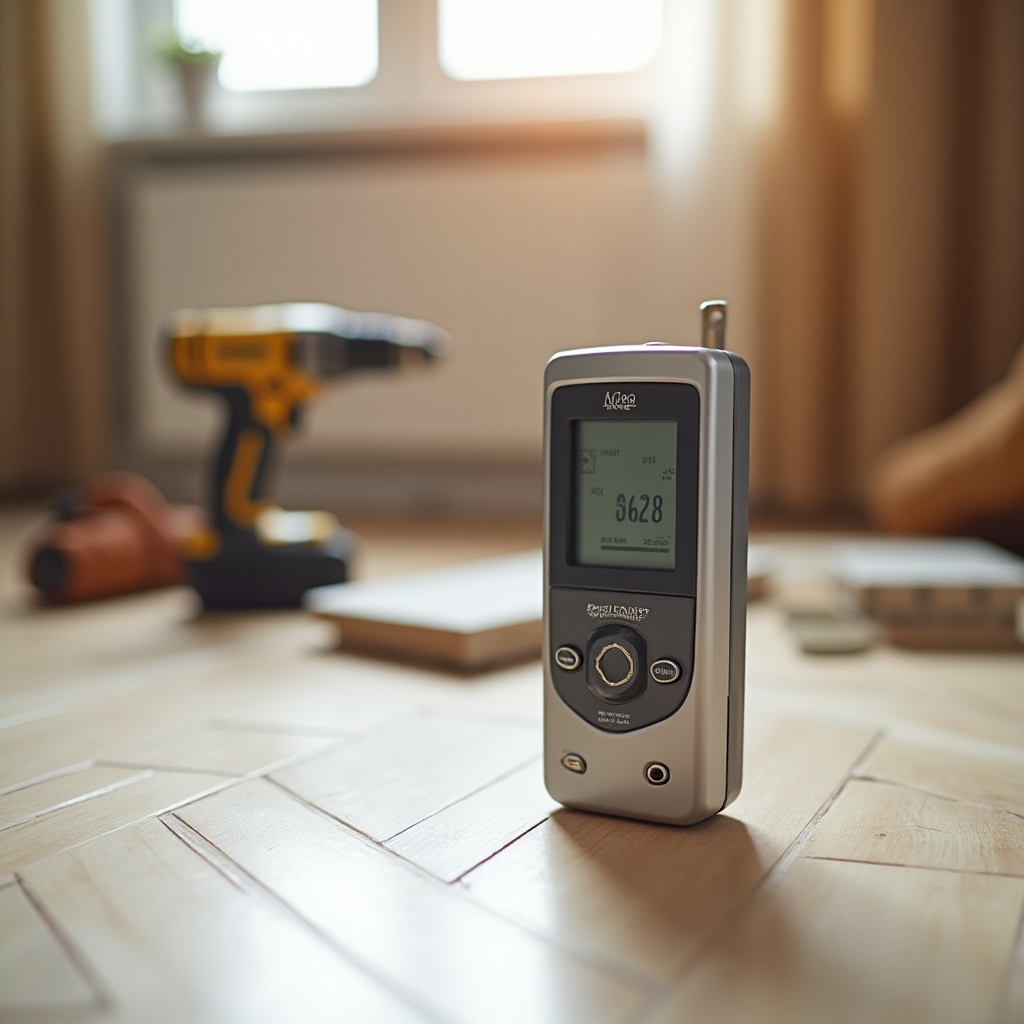
Sound level meter placed on a floor in a Polish apartment during renovation work measuring decibel levels
Noise

Noise Regulations in Practice

The interplay between national environmental noise law, local bylaws, and building internal regulations — and how these combine to define when renovation work is legally permissible.

The Prawo budowlane does not punish people for renovating — it creates a framework that, once understood, is navigable. The challenge is that the framework was not written to be read by non-specialists.
Nafika Editorial Note

Start with the Guides

The Label Reading Guides break down each regulatory category with examples drawn from the Prawo budowlane and related ministerial regulations — organized so you can find what you need quickly.